Landscaping
Designing a Small Meadow Garden: Ideas for Balconies, Courtyards and Small Plots
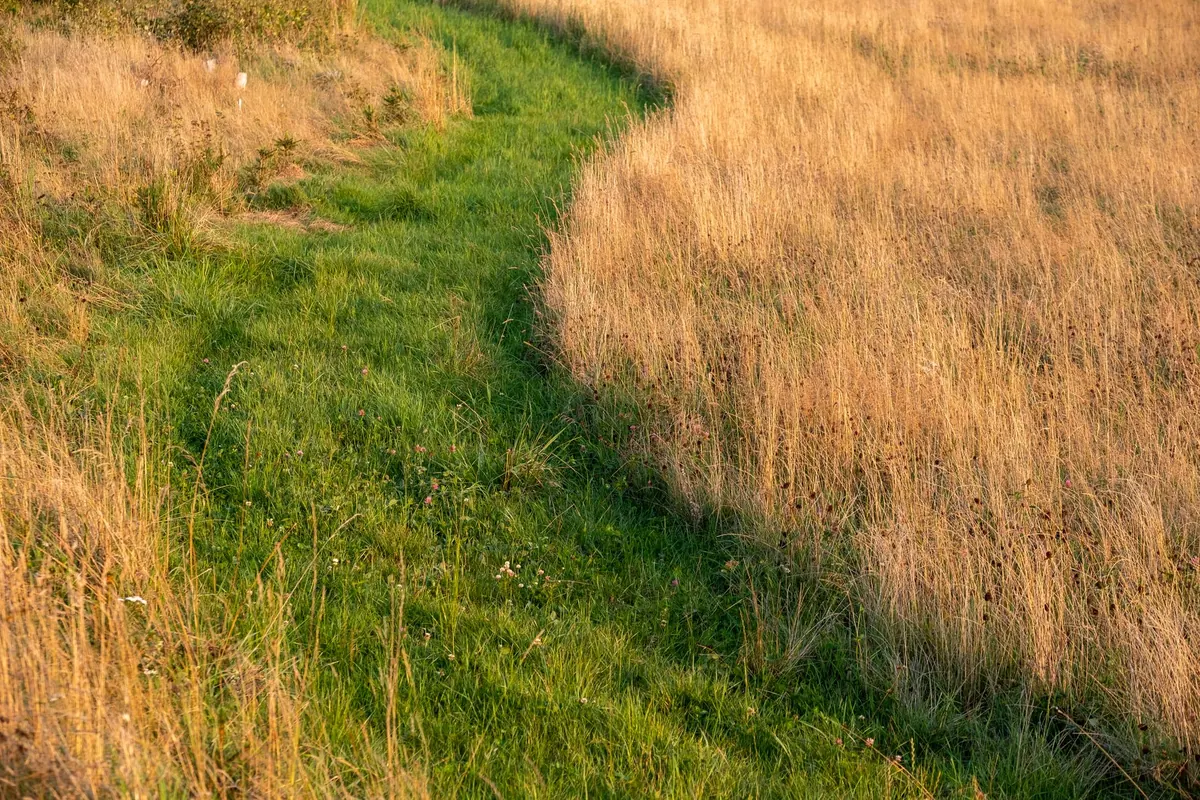
A meadow garden does not need a field. The essence of a meadow is not scale but the way plants mingle: grasses threading through flowers, seed heads left standing, a looseness that feels discovered rather than planted. On a balcony, courtyard or small plot, you can recreate that feeling in a few containers or a single bed. The trick is to work with the space you have, choose plants that suit its light and wind, and let the planting look a little less controlled than a traditional border.
Start with the conditions, not the seed mix
Before buying anything, spend a week watching the space. Where does sun fall in midsummer? Which corner stays damp? Does wind funnel between buildings? A courtyard can be a sun trap at noon and a shadowy pit by four o'clock. A balcony may be bright but baked by reflected heat from a wall. Note how these conditions shift across the seasons, too: a spot that is shady in June might be flooded with light in November once deciduous trees have lost their leaves.
Then check practical limits. Weight matters on balconies and roof terraces, especially when compost is wet. If you are unsure about load-bearing capacity, ask a qualified structural engineer before installing large planters. If you rent or live in a flat, check your lease or freeholder's rules about fixing screens, brackets or trellis to walls and railings.
- Light: full sun, half-day sun, or shade? Most meadow flowers want sun, but woodland-edge species cope with less.
- Wind: exposed sites dry compost fast and snap tall stems. Choose compact grasses and low flowers, or provide a permeable screen.
- Water: how far is the tap? Hauling cans upstairs changes what you can grow.
- Weight: large wet pots are heavy. Group them near load-bearing walls rather than the middle of a balcony.
- Surface: paving, decking, gravel or soil? This affects drainage, staining and how you anchor pots.
The meadow look in miniature
Three principles do most of the work.
Think in layers
A real meadow has a matrix of grasses with flowers threaded through. Copy that. Use one or two grasses as the background, then add flowers in loose drifts. Bulbs can push through in spring before the grasses take over. In a pot, that might mean a base of blue fescue or pheasant's tail grass, with scabious, salad burnet and a few alliums. For a taller container, try a lower layer of wild strawberry or creeping thyme, a middle layer of quaking grass, and an upper layer of yellow rattle and ox-eye daisy. The rattle is semi-parasitic on grass roots, which helps keep the grasses in check—a useful trick in a small space where vigorous grasses might otherwise dominate.
Repeat, don't collect
Small spaces become messy when every plant is different. Choose three or four species and repeat them. Repetition creates rhythm and makes a balcony feel intentional even when the planting is relaxed. If you love colour, repeat one hue: soft yellow, dusky pink, or blue-violet. Let the grasses do the rest. For example, a courtyard bed might use just three plants: moor grass, purple moor grass, and a single drift of aster. Or a balcony trough with blue fescue, cornflower, and calendula in repeating clumps.
Allow some untidiness
Seed heads, fading stems and a few self-sown seedlings are part of the effect. That said, small spaces need clear edges. Keep a crisp line where planting meets paving, and cut back anything that flops over a path. A meadow in miniature is not an excuse for neglect. You can tidy without losing the mood: leave seed heads standing through winter for birds and structure, then cut back in early spring before new growth starts.
Plant combinations for different situations
Sunny balcony or roof terrace
Use drought-tolerant grasses and flowers that enjoy free drainage. Good grasses include blue fescue, pheasant's tail grass and quaking grass. For flowers, try calendula, cornflower, annual poppies, scabious, yarrow and purple toadflax. Add allium sphaerocephalon and camassia for spring and summer bulbs. In a long trough, sow a small annual meadow mix and underplant with a few perennials for structure. If the balcony is very hot, consider adding a small water bowl or mister to raise humidity, and choose pale-coloured pots to reflect heat rather than absorb it.
Shady courtyard
Shade does not rule out meadow planting; it changes the palette. Use tufted hair grass, greater wood-rush and sedges as the matrix. Add cowslips, aquilegia, astrantia and foxgloves. If the ground stays damp, meadowsweet and ragged robin will feel at home. Keep the mood green and soft, with pale flowers that catch what light there is. A north-facing courtyard can also support ferns and wild garlic for an early spring display, before the trees leaf out.
Windy or exposed site
Choose low, tough plants. Blue fescue, blue moor grass and small sedums work well. Flowers such as thyme, oregano, pinks and small scabious stay compact. Plant in heavy pots that will not blow over, and mulch with gravel to stop compost drying out. Avoid tall annuals unless you have a sheltered corner. A woven willow or bamboo screen can filter wind without creating a solid barrier that causes turbulence, and it will let some light through.
Containers, sowing and care
Bigger pots are easier than small ones. A 30-centimetre-deep container suits most grasses; perennials with deeper roots do better in 40 centimetres or more. Use a loam-based compost mixed with grit or horticultural sand. Rich compost makes soft, floppy growth, so go lean. A slow-release fertiliser is rarely needed; if you use one, apply it lightly in spring.
Make sure drainage holes are clear. Raise pots on feet so water can escape. Mulch the surface with gravel or shell to reduce evaporation and keep weeds down. In summer, containers may need water daily; in winter, move them out of standing water. If you have a small bed, improve heavy clay with grit and organic matter, and consider a raised bed if drainage is poor. For annual meadows, sow seed in autumn or early spring on bare soil, press it in gently, and water until established. After that, let the plants self-sow for a natural, evolving display.
Seasonal interest: a meadow for every month
One of the joys of a meadow garden is how it changes through the year. Plan for something to catch the eye in every season. In spring, bulbs such as snake's head fritillary, camassia and wild daffodil emerge before the grasses bulk up. Early perennials like cowslip and pasque flower add colour. By early summer, grasses begin to sway and flowers like ox-eye daisy, cornflower and scabious take over. Midsummer is peak time: seed heads start to form, and the planting feels wild and alive. In late summer and autumn, grasses turn gold and bronze, and seed heads from teasel, cardoon and grasses provide structure. Leave them standing through winter to catch frost and feed birds. Even in the smallest space, this progression creates a sense of a living landscape rather than a static arrangement.
Wildlife and the small meadow
Meadow planting is a gift to pollinators and other wildlife, even on a balcony. Bees, hoverflies and butterflies will find nectar-rich flowers like yarrow, scabious and oregano. Leave seed heads for goldfinches and other birds. A shallow dish of water with pebbles for perching will attract insects and birds. If you have space, a small log pile or bundle of hollow stems can provide overwintering habitat for solitary bees and ladybirds. Avoid pesticides entirely; a healthy meadow garden relies on natural predators to keep pests in check. The result is a miniature ecosystem that supports biodiversity while looking beautiful.
Sourcing plants and seeds
You do not need a large budget or a specialist nursery. Many meadow plants are available as seed, which is the cheapest way to start, especially for annuals. Look for suppliers of native wildflower seeds or pollinator mixes. For perennials and grasses, buy small plugs rather than large pots; they establish quickly and are lighter to carry. Swap cuttings and divisions with neighbours or join a local plant group. If you are growing from seed, check whether the species needs cold stratification—many meadow perennials do. Sow in autumn and let winter do the work, or mix seed with damp sand and refrigerate for a few weeks before sowing in spring.
Designing a small meadow garden is less about following strict rules and more about observing, experimenting and letting plants find their own place. Start with the conditions, choose a simple palette, and allow a little wildness. Whether you have a single balcony pot or a courtyard bed, you can create a slice of meadow that hums with life and shifts with the seasons.
Photo: suju-foto / Pixabay
Related Articles