Wildflowers
The Science of Meadow Ecology: Why Plant Diversity Matters
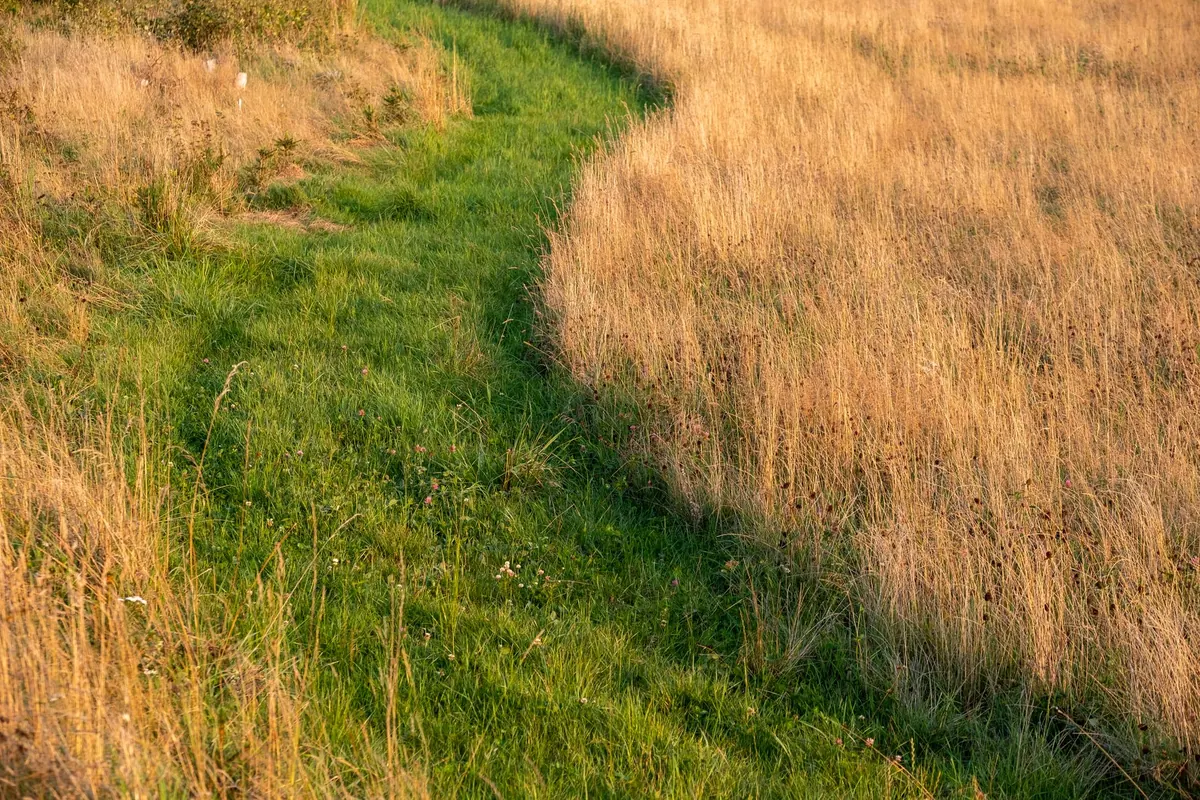
A meadow looks, at first glance, like a lawn that got away. Spend ten minutes in a good one and it starts to look more like a machine. Dozens of species running on different timetables, feeding each other, holding the soil in place, and covering for one another when the weather misbehaves. The gap between that and a bright patch of wildflowers is the gap between a planting that performs for one season and one that keeps working for years.
Species count is only part of the picture
Two plots, same size, same soil, same sunlight. One holds six species, the other thirty. The second isn't simply five times prettier. It is far more likely to contain something that flowers during a cold, late June, or a plant whose roots reach water the others cannot. That spread of options is sometimes called the insurance effect, and it is why diverse plantings tend to ride out odd seasons better than simple ones.
Variety matters more than a tally, though. A patch with thirty species that all flower in the same three weeks and all grow to the same height is less useful than one with fifteen species flowering from April to October at three different heights. What you are building is a range of functions, not a collection of names.
What the roots are doing while you admire the flowers
Above ground, a meadow is a changing picture. Below ground, it is a slow construction project. A good share of the carbon a plant captures through the summer leaves its roots as sugars and acids, feeding bacteria and fungi in the soil around them. In return, fungi — working along fine root hairs you will never see — bring back water and nutrients such as phosphorus from further than the root could reach alone.
Different plants dig differently. Yarrow's fibrous roots bind the top few centimetres. Knapweed and meadow buttercup work through the middle layer. Legumes such as bird's-foot trefoil and red clover send down a taproot, and their partnership with nitrogen-fixing bacteria adds nitrogen to a soil that is deliberately poor. Where you have a mix, you have a soil that holds together, drains in winter, holds moisture in August, and supports far more life than a monoculture of grass.
Yellow rattle deserves its reputation here. It is a semi-parasite on grasses, drawing water and nutrients from their roots and slowing them enough to open gaps for flowers. Sow it in autumn: it needs a cold spell before it will germinate, and it can take a couple of seasons to show.
Insects need a schedule, not just a patch of colour
Most wildlife planting advice stops at "plant nectar-rich flowers". Useful, but incomplete. Bees, hoverflies, butterflies and moths need food from spring to autumn, and their larvae usually need something entirely different from the adults.
- Early spring: cuckooflower, cowslip, dandelion, white dead-nettle — the first bumblebee queens are out when very little else is.
- Early summer: ox-eye daisy, meadow buttercup, red clover, bird's-foot trefoil.
- Midsummer: greater knapweed, field scabious, betony, lady's bedstraw — the peak weeks.
- Late summer and autumn: devil's-bit scabious, hawkweeds, wild carrot, yarrow reflowering after a cut.
- Larvae: bird's-foot trefoil for common blue, sheep's sorrel for small copper, cuckooflower for orange-tip, fine grasses for meadow brown and gatekeeper.
- Winter: hollow and pithy stems, seed heads and tussocky grasses where invertebrates shelter.
Structure counts as much as flowers. Most solitary bees nest in bare or sparsely vegetated ground, so a small patch of open soil is not untidiness — it is housing. Beetles, spiders and overwintering larvae use tussocks and stem bases. A meadow cut flat to the ground in September and left bare until May supports a fraction of what a patchwork one does.
Resilience tends to arrive as a side effect
When you plant a wide mix, you stop relying on any single species to do a job. Deep-rooted plants keep working through a dry July; shallow-rooted ones recover quickly after rain. A specialist pest or disease that finds one host plant hard going will struggle to move through a mixed sward. Predators — hoverflies, ground beetles, parasitic wasps — build up where there is a steady supply of prey and somewhere to live.
None of this happens overnight, and none of it is dramatic. The reward is a garden that stops needing to be rescued every summer.
Match the mix to the ground you have
The commonest reason a wildflower patch fails is fertility, not seed quality. On rich soil, vigorous grasses and a few thuggish perennials win, and the delicate plants disappear within two seasons. Reduce fertility before you sow: cut regularly and remove every clipping. No compost, no fertiliser, no mulching over the meadow area.
Then choose plants that suit the site. Damp clay likes cuckooflower, ragged robin and meadowsweet. Thin, dry, chalky ground suits knapweed, field scabious and salad burnet. Acid soils favour heath bedstraw and tormentil. Beware of "meadow" mixes that are mostly cornfield annuals — poppies, cornflowers, corn marigold. They are lovely for one year on disturbed ground and then gone. Where you can, buy British-grown stock of local
Photo: Ludvig Hedenborg / Pexels
Related Articles